10 Obscure Sci-Fi Shows That Became Cult Classics
In the vast universe of science fiction television, numerous shows struggle to gain mainstream recognition but carve out a niche following. These often overlooked gems, despite their initial limited viewership, resonate deeply with fans and grow into cherished cult classics. This article delves into ten such obscure sci-fi shows that, although they may not have topped the ratings during their runs, have found enduring love from their audiences.
Quick Summary
Each of these ten shows blends imaginative storytelling with unique character arcs, exploring themes of humanity, technology, and the unknown. From dystopian worlds to bizarre alternate realities, these series invite viewers to embark on thrilling journeys beyond the ordinary.
Story Setup
Many of these cult classics introduced complex worlds, often grappling with contemporary societal issues through the lens of speculative fiction. Take Falling Skies, for instance, which follows the aftermath of an alien invasion, showcasing the resilience of humanity, as well as its struggles in rebuilding society amidst chaos. Similarly, Dark Angel casts viewers into a near-future dystopia, where genetically-engineered super soldiers navigate a world rife with corporate greed and societal decay.
Mutant X presents a different exploration of genetic manipulation, focusing on a group of mutants fighting for their rights and place in a world that views them with suspicion. Its premise taps into deep-rooted themes of otherness and acceptance, echoing real-world battles around identity and belonging.
Then there's The 100, which opens with a post-apocalyptic scenario where a group of juvenile delinquents is sent back to Earth from a space station to determine if the planet is habitable after a nuclear apocalypse. The show expertly blends survival drama with intricate political plots among factions, making it a standout even among other dystopian narratives.
Main Characters
A significant factor contributing to the status of these shows as cult classics is their memorable and relatable characters.
In Falling Skies, viewers are drawn to Tom Mason, a former history professor turned resistance leader, who symbolizes humanity's hope in dire circumstances. His moral dilemmas and familial bonds elevate the narrative beyond action-packed sequences.
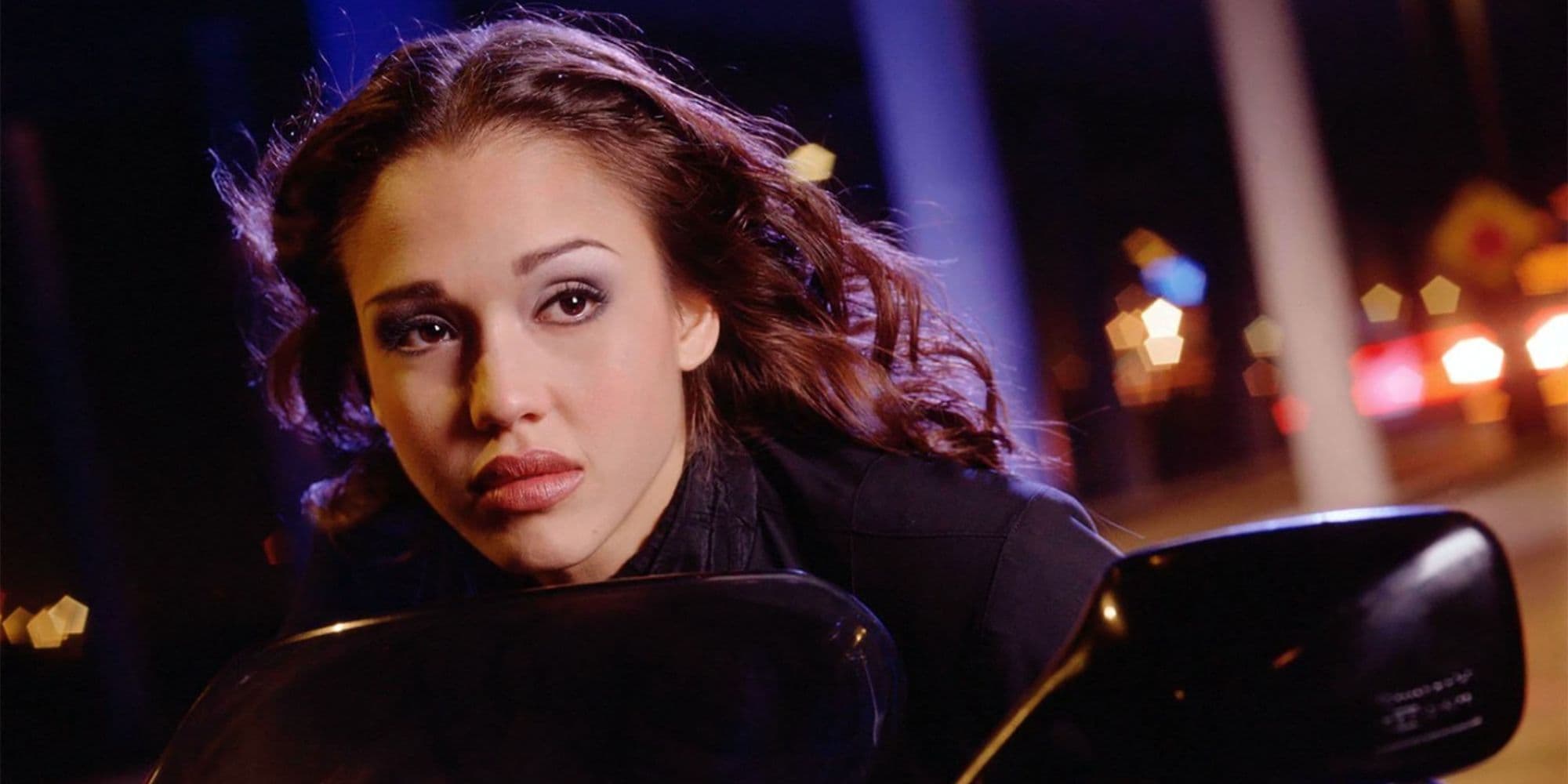
Dark Angel stars Jessica Alba as Max Guevara, a genetically enhanced soldier who seeks to find her place in a world that fears her kind. Her journey of self-discovery resonates with many, as she grapples with her identity and purpose.
Mutant X features an ensemble cast led by the charismatic Adam Kane, who guides the team of mutants. Each character possesses unique abilities that reflect different aspects of human experience and societal challenges. Their interactions explore themes of friendship, loyalty, and the struggle for acceptance.
On The 100, Clarke Griffin stands out as a natural leader. Her journey from a reluctant young adult to a powerful figure navigating the complexities of leadership and morality captivates audiences. Each decision she faces brings depth to her character, encapsulating the trials of adolescence amid survival.
Ending or Latest Episode Explained
Though many of these shows had their arcs concluded amidst mixed receptions, they managed to leave lasting impressions through their endings or major plot points.
For instance, Falling Skies wrapped up its story in a climactic fifth season that pits humanity against their alien captors in a final struggle. By marrying personal stories with the overarching battle for survival, creators ensured it departed from screens on an emotionally resonant note.
Dark Angel, despite its cancellation, ended with a mix of unresolved storylines and hopeful possibilities, allowing fans to cherish the potential found within its universe. The uncertainty surrounding Max's fate sparked intense discussions among fan communities.
Mutant X also saw an abrupt conclusion, leaving fans yearning for more. The final season introduced new threats and dilemmas, leading to suspenseful cliffhangers that deepened the mythology of the series.
Meanwhile, The 100’s conclusion is a subject of much debate among fans. The series finale presents themes of sacrifice, renewal, and the cyclical nature of life, encapsulating the complex struggles faced by the main characters throughout their journey.
What Could Happen Next
While the curtains have drawn on many of these beloved series, speculation thrives within fan communities. Revivals, spin-offs, or adaptations could inject new life into these narratives, given the growing trend in Hollywood around reboots and continuations of established franchises.
Fans often propose ideas for alternate realities or side stories focusing on lesser-known characters, which could offer fresh perspectives and deeper explorations of these worlds. Such expansions would undoubtedly cater to the loyal audiences that have kept these cult classics alive.
Why This Is Trending
The resurgence of interest in these obscure sci-fi shows arises from a mix of nostalgia and the growing awareness of niche storytelling. As streaming platforms expand their libraries, viewers are increasingly keen on exploring hidden gems, discovering insightful narratives that speak to contemporary issues.
Additionally, active fan communities thrive across social media platforms, sharing fan theories, artwork, and merchandise, which keeps the spirit of these programs alive long after their airtime has ended.
Final Thoughts
Cult classics in the sci-fi genre prove that popularity doesn't always correlate with lasting influence or fan devotion. Shows like Falling Skies, Dark Angel, Mutant X, and The 100 invite us to explore the depths of human emotion and societal themes through speculative fiction, reminding us that compelling storytelling transcends ratings and viewership numbers. By embracing these once-obscure series, we celebrate the diversity and creativity that enrich the sci-fi landscape.
As viewers continue to seek out these stories, the legacy of these cult classics cements their place in television history, ensuring that they are remembered not just for their moments on screen but for the cultural conversations they inspire.