10 Network TV Storylines That Would Never Air Today
In the world of television, storytelling evolves with societal norms and expectations. Many iconic shows from the past tackled storylines that, while once considered entertaining, would face heavy backlash today. With the growing awareness of social issues, the media landscape has transformed, leading to a more conscientious approach in writing and content creation. This breakdown explores ten network TV storylines that would likely not see the light of day in today's cultural climate.
Quick Summary
Several classic network TV shows featured storylines that riffed off now-outdated social mores. From fat-shaming humor in Growing Pains to the questionable behavior of characters in How I Met Your Mother, these narratives reflect a time when such themes were more readily accepted in mainstream entertainment. As societal awareness has increased, so has the demand for representation and sensitivity in storytelling.
Story Setup
Network television has long been a reflection of cultural attitudes and values. In recent years, the industry has moved toward more thoughtful storytelling, highlighting diverse perspectives and embracing inclusivity. This shift means that many narratives that once entertained audiences could be considered offensive today. For example, sitcoms often relied on stereotypes and exaggerated situations that marginalized various groups, from gender dynamics to body image issues.
Episodes from notable shows often illustrated:
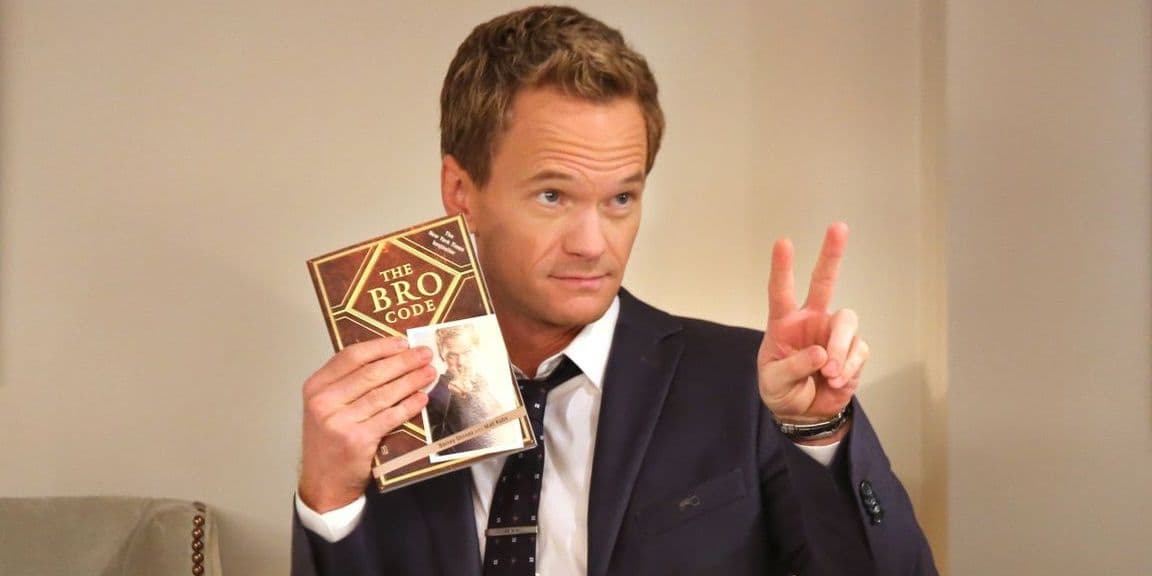
- Misogyny and Manipulation: Characters like Barney from How I Met Your Mother employed sleazy tactics in their pursuit of women, presenting behavior that would now be recognized as predatory.
- Fat Jokes as Punchlines: Growing Pains and similar shows frequently showcased humor at the expense of overweight individuals, contributing to societal stigmas.
- Diverse Representation: Certain shows misrepresented cultures or lacked adequate representation, taking a comedic approach that could easily be deemed insensitive or reductive today.
Main Characters
Diving deeper into these shows, it’s clear that character development often took a backseat to humor.
- Barney Stinson (How I Met Your Mother): Originally presented as the charming womanizer of the group, his aggressive flirting and manipulation tactics would not align with today's values of consent and healthy relationships.
- Mike Seaver (Growing Pains): Portrayed as the quintessential teenager, his storylines often involved fat-shaming friends, painting a mocking picture of body image issues that wouldn’t be permissible now.
- The Full House Ensemble: Although loved, this show occasionally portrayed gender roles in a stereotypical manner. Characters would often fall into traditional roles, neglecting the need for showcasing more varied familial structures.
Ending or Latest Episode Explained
As we reflect on the endings or pivotal episodes across these shows, it’s insightful to note how their conclusions might differ today. The finale of How I Met Your Mother famously sparked debate about its portrayal of relationships, especially how it handled themes of love, loyalty, and manipulation of partners. Given today's understanding of these dynamics, a modern retelling might avoid the problematic aspects that the original was criticized for.
Conversely, Growing Pains, which left audiences with a sense of familial warmth, similarly fell into familiar traps of fat jokes and gender clichés that wouldn’t resonate with today’s viewers. The potential for a reimagining could lead to character arcs that embrace self-acceptance, body positivity, and respect.
What Could Happen Next
With the television landscape continuously evolving, reboots and reimaginings of classic shows have become popular. We may likely see stories revisited with a focus on sensitivity and diversity, putting forward narratives that address the nuances of modern social issues. Imagine a reboot of How I Met Your Mother where Barney’s character is redefined to reflect healthy relationships built on respect rather than manipulation, or a rendition of Growing Pains that celebrates diversity and showcases the journey toward body positivity.
The landscape could introduce new characters whose story arcs tackle contemporary issues, such as mental health, sexual identity, and modern familial structures, marking a move away from old stereotypes towards a narrative that includes a more varied and inclusive representation of society.
Why This Is Trending
The conversations surrounding media depiction and social responsibility are more prominent than ever. Trending discussions on various platforms often highlight the need for thoughtful representation and the avoidance of harmful stereotypes, urging creators to reconsider past themes that might be offensive or outdated. Viewers today are increasingly vocal about their preferences for media that respects and honors all individuals, challenging networks and streaming services to rise to the occasion.
Issues regarding how certain storylines reinforce damaging stereotypes create a ripple effect, fostering debates that need addressing in the entertainment sphere. As audiences demand sensibility, it’s evident that we’re moving toward an era of responsible storytelling.
Final Thoughts
As we pause to reconsider the narratives presented in network television, it’s important to recognize how far we've come. Although the shows discussed were staples of their times, many dated storylines would undoubtedly clash with today’s understanding of equity and representation.
The evolution of television is a testament to society's broader progress. As viewers continue to champion for inclusive and sensitive storytelling, it's evident that the industry must adapt. Ultimately, moving away from outdated tropes can only lead to richer, more varied narratives that celebrate the diversity of human experience and foster a deeper understanding of our world today.
In conclusion, we can appreciate the classics while acknowledging the need for growth. To watch new shows that reflect our current societal values is to witness the ongoing journey of entertainment—one that aspires to educate, enlighten, and entertain responsibly.