10 Isekai Heroes Who Are Actually Well-Written
In recent years, the isekai genre has exploded in popularity, offering viewers a tantalizing escape into fantastical worlds where ordinary characters become extraordinary heroes. However, this popularity has also highlighted a significant issue: many of these heroes often fall flat as well-written characters, reduced to mere vehicles for wish-fulfillment. Thankfully, there are exceptions that showcase rich development and compelling narratives. In this article, we explore ten isekai heroes who rise above the typical tropes, making them not just relatable but also memorable.
Quick Summary
The isekai genre typically revolves around characters who are transported to alternate worlds, where they possess unique abilities or learn special skills. While many of these heroes are designed to fulfill the desires of the audience—granting them power, success, or romance—some stand out due to their well-crafted personalities, complex arcs, and deeper motivations. This article delves into ten such characters who offer more than the usual wish-fulfillment fantasy.
Story Setup
Isekai stories generally feature protagonists who either die in the real world or are abruptly transported to another realm, where they often trudge through challenges that seem tailor-made for their newfound abilities. These worlds can vary from classic medieval fantasy to sci-fi landscapes, but there is a consistent formula: a protagonist who must adapt and overcome the odds. However, the depth of the characters often determines whether the stories resonate or feel formulaic. This breakdown focuses on characters who not only overcome challenges but also grow and evolve through their journeys, enhancing the narrative.
Main Characters
Among isekai heroes who are exceptionally well-written, several standout characters deserve particular attention:
-
Kazuma Satou (KonoSuba: God's Blessing on This Wonderful World!)
- Kazuma’s flaws and cynicism make him relatable. Throughout his misadventures with his eccentric party members, his development from a selfish individual to a loyal friend showcases growth that diverges from typical heroic tropes.
-
Tanya Degurechaff (The Saga of Tanya the Evil)
- Tanya’s story is unique, portraying a ruthless child soldier reincarnated in a magical world. Her complex personality, marked by ambition and pragmatic survival instincts, challenges conventional isekai narratives, making her a compelling antihero.
-
Rimuru Tempest (That Time I Got Reincarnated as a Slime)
- Rimuru’s journey from a regular human to a powerful slime is uniquely approached, emphasizing not just strength but a desire for community and understanding, breaking the usual hero mold.
-
Naofumi Iwatani (The Rising of the Shield Hero)
- Naofumi’s transformation from a naive hero to a hardened survivor due to betrayal exhibits significant character depth. His gradual understanding of trust and friendship adds layers to his narrative.
-
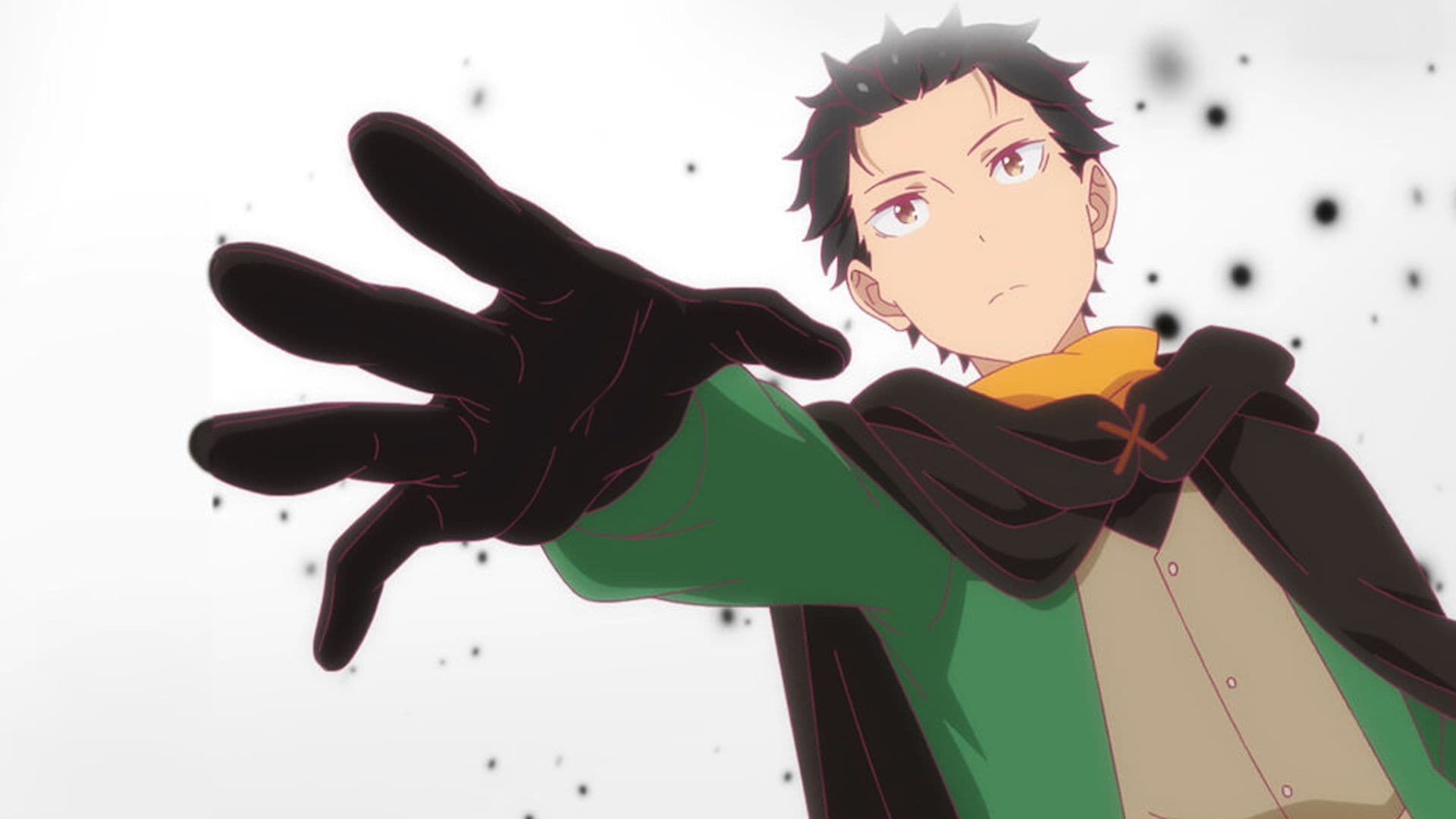
Natsuki Subaru (Re:Zero - Starting Life in Another World)
- Subaru’s struggles with mental health and the repercussions of his resurrection ability offer a fresh take on the isekai genre. His character development centers around acceptance and perseverance, making him one of the most relatable heroes.
-
Kazuma Sato (KonoSuba)
- This lazy and skeptical hero’s interactions with his whimsical party members highlight humorous nuances and realistic values about friendship and teamwork.
-
Aqua (KonoSuba)
- Often seen as a supporting character, Aqua’s self-centered tendencies juxtaposed with moments of vulnerability make her more than just comic relief.
-
Makoto Misumi (Wise Man's Grandchild)
- Makoto’s true growth lies in his understanding of personal responsibility and integrating into a community rather than simply showcasing his overwhelming power.
-
Lugh Touka (The World’s Finest Assassin Gets Reincarnated in Another World as an Aristocrat)
- Lugh’s journey challenges the typical assassin narrative by emphasizing his moral struggles and relationships, showcasing how a character can surpass tropes.
-
Satou Pendragon (Death March to the Parallel World Rhapsody)
- Though initially fitting into the fantasy hero mold, Satou’s contemplative nature and relationships with his companions add an unexpected depth to his character arc.
Ending or Latest Episode Explained
Based on available public metadata, the discussion around these characters has generated significant interest among fans. Many are longing for a more substantial narrative in isekai storytelling, highlighting the demand for character depth over clichéd plots. The trends indicate that audiences are ready for transformation—characters who not only wield power but also solve conflicts with emotional intelligence and moral complexities.
What Could Happen Next
As discussions around well-written isekai heroes gain traction, expectations for future series and adaptations are shifting. Writers may feel pressured to craft more complex characters who reflect genuine struggles and relatable experiences. This evolution can encourage more emerald storytelling in upcoming series, paving the way for characters who navigate moral dilemmas and personal growth alongside fantastical adventures. Fans hope that the isekai genre will continue to mature, leading to more riveting narratives that engage rather than just entertain.
Why This Is Trending
The conversation surrounding well-written isekai heroes is trending due to a combination of growing fan dissatisfaction with generic tropes and a yearning for more nuanced storytelling. Conversations on social media, forums, and fan communities reflect a desire for characters who not only possess power but also embody authentic growth. The acknowledgment of heroes with realistic emotional arcs signifies the audience's evolving expectations.
Final Thoughts
The isekai genre is sprawling, and while many heroes succumb to predictable narratives, the existence of well-crafted characters reminds fans of what the genre can accomplish. The ten heroes discussed in this breakdown beautifully illustrate that with thoughtful writing, the fantastical can become profoundly relatable. Fans are excitedly turning the lens toward character-driven stories, indicating a craving for substance in a landscape often dominated by superficial adventures. This shift promises a brighter future for isekai, encouraging authors and creators to rethink their approach and prioritize the development of complex, multifaceted heroes.
In conclusion, choosing to spotlight heroes who defy the norm is more than a celebratory act; it’s a movement toward deeper narratives that resonate with audiences and elevate the genre as a whole.