10 Greatest Monsters In Fantasy Movies
Fantasy movies have thrilled audiences for decades, immersing them in worlds beyond imagination. At the heart of these fantastical realms often lie the monsters—creatures that evoke fear, fascination, and empathy. This article explores ten of the greatest monsters in fantasy films, delving into their complexities and what makes them resonate with audiences.
Quick Summary
In the extensive realm of fantasy movies, monsters play crucial roles that shape not only the plotlines but also the thematic undertones of the stories. From the misunderstood creatures to mindless beasts, these characters epitomize various aspects of humanity's fears and fantasies. This article highlights the most iconic and multifaceted monsters, analyzing their roles, characteristics, and the underlying messages they convey.
Story Setup
The narrative structure of many fantasy films pivots around the monsters themselves. They often embody challenges that the protagonists must face, both internally and externally. These creatures serve as symbols of the unknown, representing the fears and desires of humanity. For instance, in classics like The Wizard of Oz, the Wicked Witch personifies both the fear of the unknown and the consequences of unchecked power, while in Pan's Labyrinth, the Faun challenges our perceptions of good and evil. The setup establishes a world where both the audience and the characters must confront these fears head-on.
Main Characters
-
Godzilla (Godzilla series)
Arguably the most iconic monster in cinema history, Godzilla represents nature's wrath and humanity's hubris. Initially depicted as a terrifying force of destruction, the character has evolved into a more complex being that often defends humanity against greater threats. -
The Balrog (The Lord of the Rings)
This demon of shadow and flame embodies ancient darkness and power. As Gandalf confronts the Balrog in The Fellowship of the Ring, the battle becomes a metaphor for the struggle between good and evil, emphasizing the stakes of their epic quest. -
The White Walkers (Game of Thrones)
Serving as a chilling reminder of mortality, the White Walkers symbolize the inevitability of death. Their presence raises existential questions about the value of life and the nature of humanity's conflicts. -
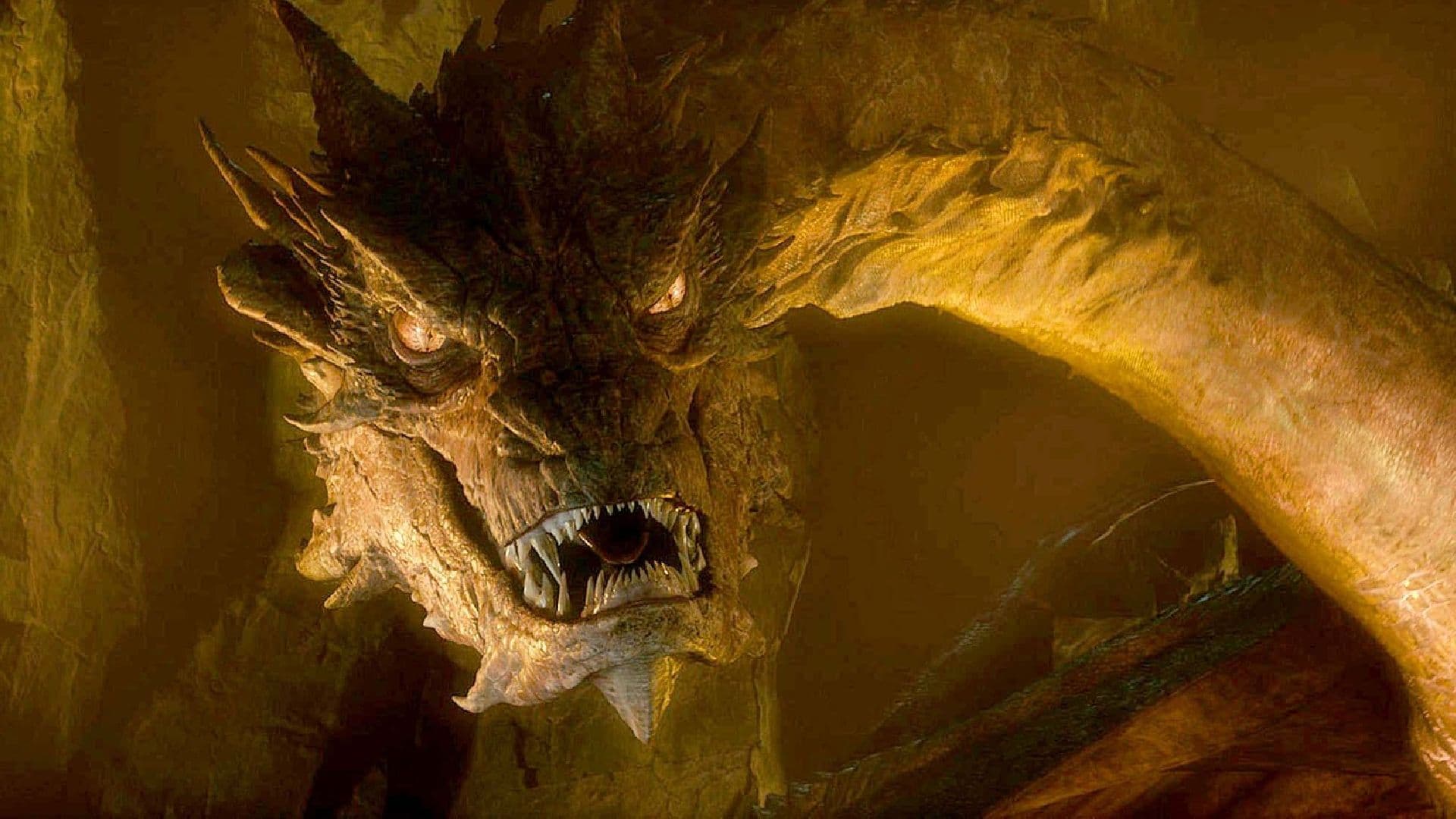
Smaug (The Hobbit)
Smaug, the dragon hoarding treasure, represents greed and the destructive nature of obsession. His smug intelligence and fierce loyalty to his gold highlight themes of avarice and the consequences of desire. -
The Minotaur (Various adaptations)
This creature from Greek mythology represents a labyrinth of human emotions, particularly fear and isolation. Adaptations have explored its dual nature as both victim and monster. -
Gollum (The Lord of the Rings)
Perhaps one of the most tragic figures, Gollum embodies addiction and the corrupting influence of power. His split personality and quest for the One Ring illustrate the trauma of loss and obsession. -
The Creature (Frankenstein)
Mary Shelley’s Creature is often depicted as a tragic figure misunderstood by society. He raises ethical questions about creation and responsibility, making him a timeless monster. -
The Xenomorph (Alien series)
This Alien creature transcends mere horror; it embodies the fears of the unknown and uncontrollable. Its lifecycle and relentless pursuit serve as a chilling reminder of survival in a ruthless universe. -
Cthulhu (H.P. Lovecraft adaptations)
As a cosmic entity, Cthulhu represents humanity's insignificance in the face of unfathomable forces. The concept is central to Lovecraft's themes of cosmic horror. -
Beasts of Chaos (Warcraft)
In the expansive World of Warcraft universe, the myriad Beasts of Chaos showcase the primal forces of nature and destruction. They encapsulate the theme of balance and the constant struggle between order and chaos.
Ending or Latest Episode Explained
While we cannot pinpoint a particular ending due to the broad scope of fantasy cinema, what we can suggest is that many of these monsters often transition from antagonists to nuanced characters. In a contemporary sense, audiences have begun to favor complex narratives that allow monsters to embody elements of humanity, exploring their struggles and motives. This evolution mirrors society's shifting perspectives on issues like mental health, societal roles, and redemption, suggesting that perhaps the greatest monsters are not those who frighten us but those reflecting our innermost fears and desires.
What Could Happen Next
As fantasy movies continue to evolve, we are likely to see even more intricately woven narratives surrounding monsters. With advancements in special effects and CGI, filmmakers can bring to life more nuanced characters that resonate with audiences on a deeper emotional level. Future films may experiment with storytelling formats, allowing for greater explorations of character backstories and motivations, making the monsters' journeys as compelling as those of the heroes.
Why This Is Trending
The fascination with monsters in fantasy movies is more than just a penchant for the scary; it stems from a deep-seated curiosity about the intricacies of life. By exploring the monsters within these films, audiences tap into universal themes such as fear, love, redemption, and growth. Engaging with these characters invites viewers to not only reflect on their perceptions but also confront their own inner demons.
Final Thoughts
The monsters featured in fantasy movies represent the duality of the human experience, merging our deepest fears with our most profound aspirations. As filmmakers continue to push the boundaries of storytelling in the genre, the complexities of these creatures will undoubtedly remain a central theme, continuing to captivate and challenge audiences worldwide. Their legacy, as shown through countless films, solidifies their role as more than mere antagonists—they are mirrors reflecting our own humanity and the challenges we face.