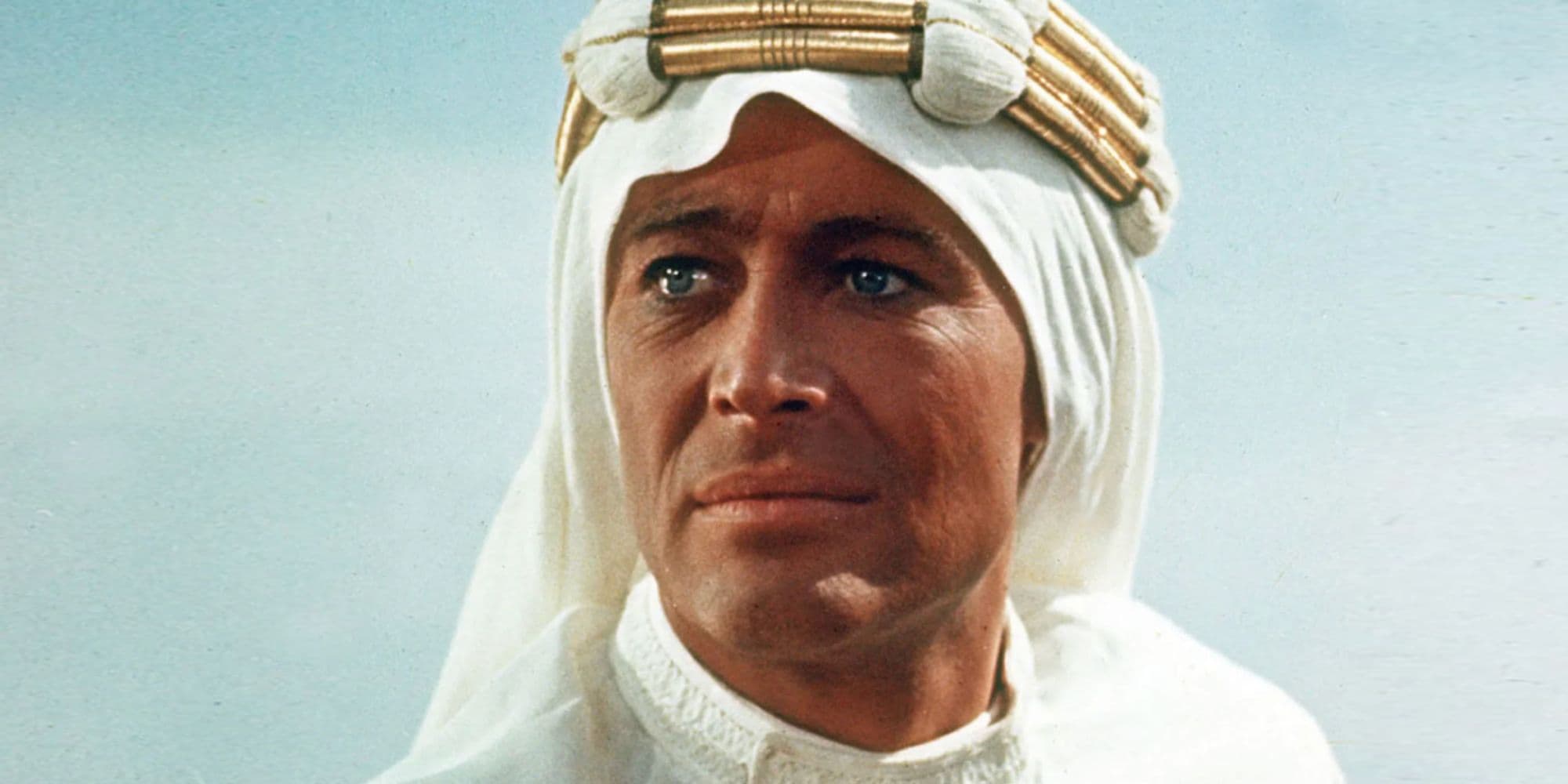
10 Best Epic Movies of the 1960s
The 1960s was a defining decade for filmmaking, particularly in the epic genre. The films produced during this era showcase grand narratives, rich historical contexts, and powerful performances that have left an indelible mark on cinema. Classics such as Lawrence of Arabia, The Great Escape, and Once Upon a Time in the West not only entertained audiences but also set new standards in film-making. In this breakdown, we'll explore the ten best epic movies of the 1960s, examining their stories, characters, and what makes them stand out.
Quick Summary
The 1960s produced a remarkable collection of epic films that explored themes of war, adventure, and human resilience. This list highlights the most significant films of the decade, summarizing their stories, characters, and cultural impact.
Story Setup
-
Lawrence of Arabia (1962) - This David Lean masterpiece focuses on the life of T.E. Lawrence, a British officer who becomes a key figure in the Arab Revolt during World War I. The film explores his internal struggles and the cultural clash he faces.
-
The Great Escape (1963) - Based on a true story, this war film revolves around a group of Allied prisoners planning a massive escape from a German POW camp during World War II. Themes of ingenuity, bravery, and camaraderie punctuate this gripping tale.
-
Once Upon a Time in the West (1968) - Sergio Leone's homage to the Western genre features a conflict between a mysterious gunslinger and a ruthless land baron, complemented by an unforgettable Ennio Morricone score.
-
Cleopatra (1963) - This historical epic chronicles the life of Cleopatra VII, showcasing her romantic entanglements with Julius Caesar and Marc Antony, and her struggle to maintain her reign.
-
Ben-Hur (1959) - Although released in the late 1950s, its influence resonates through the early 1960s. This tale of betrayal and redemption features the iconic chariot race and expansive historical storytelling.
-
Dr. Zhivago (1965) - Set against the backdrop of the Russian Revolution, this romantic epic weaves the lives of Yuri Zhivago and Lara Antipova, exploring the deep personal conflicts amidst political upheaval.
-
The Fall of the Roman Empire (1964) - This historical drama reflects on the events leading to the decline of Rome, with themes of power, betrayal, and the push for peace in a time of turmoil.
-
The Alamo (1960) - A retelling of the legendary battle for the Alamo, this film showcases the heroic last stand by Texan defenders against Mexican forces, emphasizing themes of freedom and sacrifice.
-
Doctor Zhivago (1965) - Adapted from Boris Pasternak’s novel, this film captures the turbulence of love and war via the intertwined lives of its characters amidst the Russian Revolution.
-
The Bridge on the River Kwai (1957) - Another film that, while technically released earlier than the 60s, saw significant cultural discourse in the 1960s. It addresses the complexities of war and duty, revolving around British POWs forced to build a bridge for their Japanese captors.
Main Characters
The characters in these epic films are often larger than life, created to embody their respective themes:
- T.E. Lawrence (Lawrence of Arabia) - A complex figure torn between two worlds, exemplifying bravery and cultural dissonance.
- Captain Virgil Hilts (The Great Escape) - Portrayed by Steve McQueen, he represents the indomitable spirit of resistance against oppression.
- Harmonica (Once Upon a Time in the West) - A mysterious character whose motives unfold as the narrative progresses, contributing to the emotional depth of the story.
- Cleopatra (Cleopatra) - A powerful queen who navigates love, politics, and betrayal with sharp determination.
- Yuri Zhivago (Dr. Zhivago) - A passionate poet caught in the turbulence of love and war, portraying the personal toll of historical events.
Ending or Latest Episode Explained
Due to the nature of the films from the 1960s, most of the narratives conclude with poignant reflections on the costs of war and love:
- In Lawrence of Arabia, Lawrence becomes a tragic hero, grappling with the implications of his role in the Arab Revolt.
- The Great Escape ends with a bitter reminder of the perils of war, as many of the escapees meet tragic fates.
- Dr. Zhivago concludes with a sense of longing and loss, underscoring the fragmented lives affected by revolution.
What Could Happen Next
While many of these epic films have reached their narrative conclusions, their legacy continues:
- Future filmmakers might draw inspiration from the storytelling techniques, character development, and cinematography employed in these films, setting the stage for modern epics.
- Remakes or reinterpretations could explore these stories through contemporary lenses, offering fresh insights into historical events.
- The continuing interest in epic narratives can lead to new projects that honor or expand upon these timeless tales.
Why This Is Trending
The resurgence in interest for classic cinema, alongside contemporary reboots and adaptations, has led audiences to revisit these iconic films. With streaming platforms making them readily accessible, the legacy of the 1960s epic genre shines brightly in today’s entertainment landscape. Their exploration of grand themes such as love, sacrifice, and the human spirit resonates with contemporary viewers, prompting discussions around historical context and its relevance today.
Final Thoughts
The 1960s was a monumental era for epic films, crafting narratives that continue to shape the cinematic landscape. The top ten films listed here encapsulate the essence of the genre, delivering timeless tales that inspire and provoke thought. As we continue to celebrate these classics, we also anticipate the future of epic filmmaking, ensuring the stories that defined a decade remain alive for generations to come.


