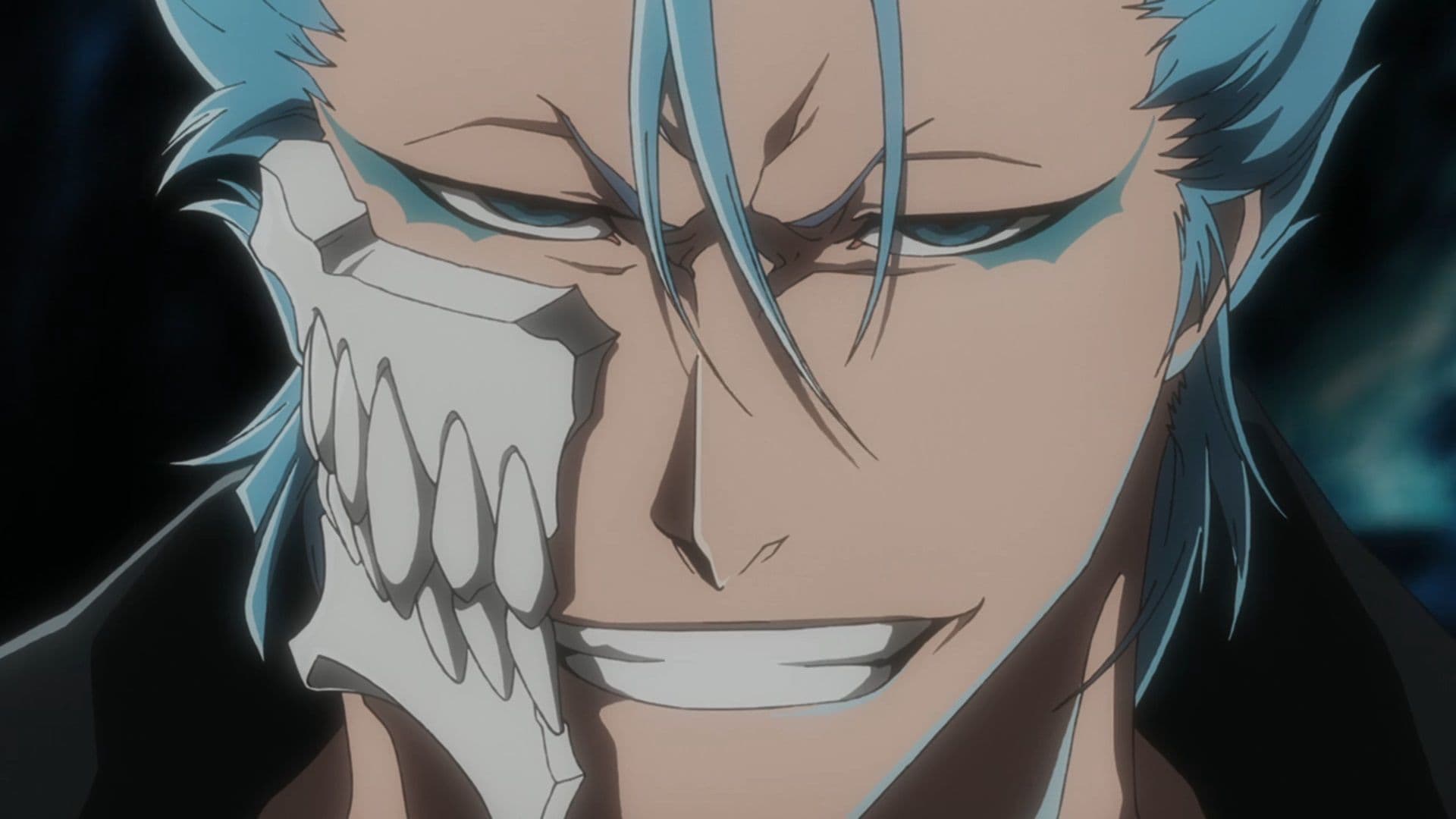
10 Anime Characters Who Were Better As Villains
In the vast universe of anime, characters often find themselves oscillating between good and evil, making them complex and intriguing. However, some characters resonate more deeply with fans when they embrace their villainous sides. In this breakdown, we explore ten anime characters who were undeniably better as villains, spotlighting what this means for their narratives and why fans are engaged in these conversations.
Quick Summary
The article highlights ten anime characters who are more compelling as villains than as redeemed heroes. These characters often embody traits that align more with villainy, adding depth to their arcs and enriching the overall narrative. Understanding their villainous personas not only enhances viewing experiences but also demonstrates the potential pitfalls of attempting to redeem every antagonist.
Story Setup
Anime storytelling is notorious for its well-rounded characters. Yet, certain individuals truly shine when they lean into their darker instincts. Their motivations, complex backgrounds, and often tragic circumstances create villains that are multi-dimensional and memorable. The tension between good and evil offers layers to storytelling that resonate with audiences worldwide. Characters that resist redemption sometimes highlight the darker realities of their narratives, convincing fans that not every villain needs a saving grace. This perspective fosters a richer emotional engagement with the source material.
Main Characters
-
Light Yagami (Death Note)
Light Yagami begins his journey with noble intentions, seeking to create a world free of crime. However, as he adopts the identity of Kira, his descent into villainy reveals the intoxicating power of his godlike abilities. Fans appreciate him more as he spirals deeper into moral ambiguity, showcasing chilling aspects that make for a complex yet captivating antagonist. -
Zeref Dragneel (Fairy Tail)
Zeref is often painted as the quintessential villain with tragic undertones. His immortality and resulting loneliness coupled with powerful magic make him both feared and pitied. Many fans argue that his character arc should have fully embraced his darkness without attempts at redemption, as his conflicted feelings often detract from his compelling nature as a pure villain. -
Gin Ichimaru (Bleach)
The enigmatic Gin Ichimaru embodies the concept of a villain shrouded in mystery. While elements of his backstory offer glimpses of depth, it’s his cunning and manipulative nature that make him memorable. Many fans would argue that his eventual revelation detracted from his terrifying persona, which is far more admirable as an antagonist. -
Sasuke Uchiha (Naruto)
Though notably a fan-favorite, Sasuke’s character arguably shines brightest during his time in the shadows. His internal conflict wrapped up in revenge creates a compelling dark hero, prompting viewers to question whether his ultimate redemption stole the thunder from his potential as a villain. -
Himura Kenshin (Rurouni Kenshin)
This iconic character grapples with a dark past as an assassin. While his redemption arc is essential to the narrative, many argue it softens the gripping elements of his past, which are best explored when he operates on the edge of villainy. -
Frieza (Dragon Ball Z)
As one of anime’s most notorious villains, Frieza thrives on pure malevolence. His characterization as the epitome of evil is what makes fans adore his presence. Attempts at redeeming him in later arcs often dilute the strength of his villainy, with many wishing he had remained relentless and formidable. -
Shouyou Hinata (Haikyuu!!)
While primarily known for his uplifting and inspiring nature as a protagonist, certain throwaway moments illustrate an aggressive fire within Hinata that could serve him well in a villainous capacity. His spirit is admirable, but leaning into the darker side may provide depth to his character not often explored. -
Makoto Naegi (Danganronpa)
In the psychological horror anime, Makoto's unwavering optimism stands in stark contrast to the series' interpretation of villainy. While his character offers messages of hope, many fans find it fascinating to consider how he might fare as a mastermind villain instead. -
Yuki Sohma (Fruits Basket)
With Yuki's backstory involving hardship and emotional turmoil, his potential as a villain is often overshadowed by the redemptive qualities emphasized in his journey. Many argue that embracing his villainous traits would deepen his character development. -
Envy (Fullmetal Alchemist)
Envy, with their shape-shifting abilities and jealousy-driven motives, showcases how powerful villainy can be. The depth of their motivations, often rooted in identity struggles, resonates with audiences in an impactful way. Attempts at redemption dilute Envy's sinister presence in the story.
Ending or Latest Episode Explained
Based on available public metadata, the inclusion of these characters sparks lively discussions among fans, making them think critically about the nature of villainy and redemption in storytelling. Many fans suggest that not every character needs a happy endpoint; the journey through darkness often rings distinctly personal and impactful. Not every narrative needs to restore antagonists into heroes; sometimes, the portrayal of pure villainy speaks volumes about the darker aspects of humanity.
What Could Happen Next
The conversation surrounding these characters could generate engaging debates within the anime community. Future discussions may delve further into whether certain narratives can explore the concept of villainy with more depth or create new characters that embrace this trope. Fans may call for deeper explorations into the psyche of antagonists, unlocking parts of their narratives that were previously left unexplored.
Why This Is Trending
The trending topic of characters being better as villains taps into the ongoing fascination with complex characterization and deeper storytelling. Social media bursts with fan theories, heated arguments, and artistic fan creations that breathe new life into these discussions. This narrative trend is proving particularly popular, as viewers often find themselves resonating with the more intense nature of these characters, paving the way for introspection about the nature of good and evil.
Final Thoughts
The debate about whether certain anime characters are better suited for villainous roles can elevate discussions about storytelling depth. It allows fans to explore the intricate dance between light and dark in narratives, enhancing their viewing experience. As anime continues to evolve, we can expect these discussions to flourish, encouraging creators to embrace complexity in character development, ensuring that villains not only serve narrative needs but also invite empathy from audiences along the way.


